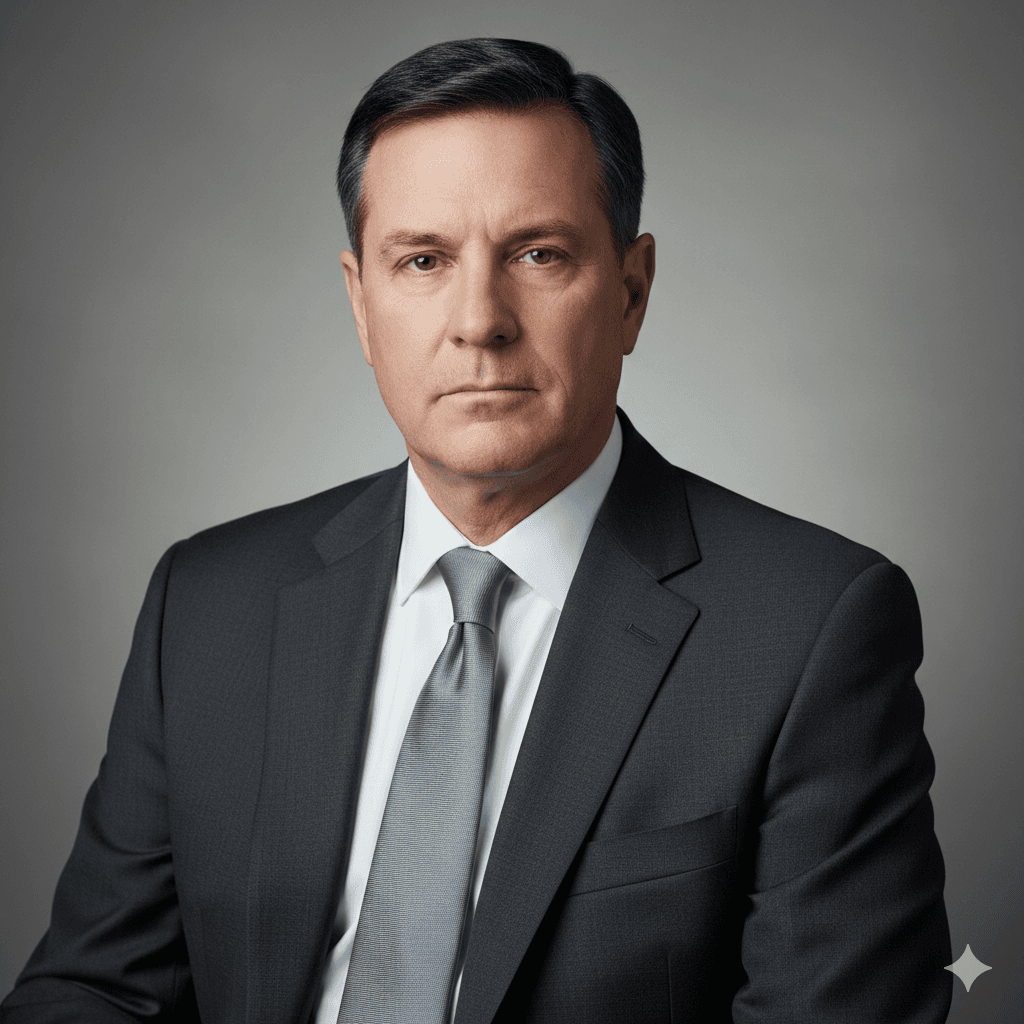

Alex ran a successful cannabis wellness company that was finally breaking into mainstream retail. His products were in Whole Foods, he had venture backing, and revenue was climbing fast. But when a major pharmaceutical chain approached him about carrying his line, the negotiations kept stalling on vague concerns about "brand alignment" and "corporate fit."
"They never said no outright, but every meeting felt like I was being sized up for something beyond just the business metrics," Alex shared in a Reddit thread about cannabis entrepreneurship. "Eventually their VP of partnerships mentioned in passing that they needed suppliers who 'looked the part' for their conservative customer base."
I pulled up his LinkedIn profile. There he was: backwards cap, casual smirk, leaning against a graffiti wall. It was a great photo if you were launching a streetwear brand. For someone trying to convince conservative corporate buyers that cannabis wellness belongs next to vitamins and supplements? It wasn't helping his case.
The problem wasn't that Alex looked unprofessional. The problem was that he looked exactly like what nervous executives imagine when they think "cannabis entrepreneur" – and not in a good way.
The Credibility Tax on Controversial Industries
Here's what nobody tells you when you start a business in a legally gray or socially contentious space: you pay a credibility tax that regular businesses don't. Every visual signal you send gets scrutinized harder. Every professional choice gets second-guessed. Your headshot isn't just representing you – it's representing an entire industry that half the population still isn't sure should exist.
I've worked with founders across dozens of industries, and the pattern is unmistakable. The more controversial your business, the more conservative your professional presentation needs to be. Not because it's fair. Not because it's right. But because the alternative is getting passed over for partnerships, funding, and opportunities before anyone even reads your deck.
Tech founders can show up to pitch meetings in hoodies because nobody questions whether software should be legal. Finance bros can look like they just left the gym because banks aren't fighting for mainstream acceptance. But if you're in crypto, cannabis, adult entertainment, online gambling, psychedelics, or any other industry where your grandmother might clutch her pearls – your visual presentation needs to be bulletproof.
Why Boring Headshots Win in Controversial Spaces
Sarah founded a cryptocurrency exchange in 2021. Her first round of investor meetings went nowhere, despite having solid traction and a legitimately innovative product. "VCs kept bringing up 'reputational risk' and 'regulatory concerns,'" she told me. "I had all the right answers, but I kept getting soft nos. Nothing explicit, just a lot of 'we'll circle back' that never happened."
Her headshot at the time showed her at a blockchain conference – casual blazer, statement necklace, conference lanyard visible. She looked approachable and authentic. She also looked exactly like every other crypto founder that serious money was hesitant about after the FTX collapse.
After rebranding her entire visual presence – corporate headshot, conservative styling, traditional business attire – she started getting different responses. "I wasn't suddenly getting term sheets thrown at me, but the conversations lasted longer. People took more meetings. The tone shifted from 'interesting but risky' to actually discussing terms."
The shift wasn't about her actual credibility or business fundamentals. It was about removing visual friction. When you're already asking people to trust an industry they're suspicious of, your headshot can't give them another reason to hesitate.
Research backs this up. A Princeton University study found that people make judgments about trustworthiness, competence, and likeability within 100 milliseconds of seeing a face. When your industry already carries negative associations, you can't afford to trigger additional skepticism with a casual or edgy headshot.
The Unspoken Rules by Industry
Different controversial industries have different landmines. What works for a cannabis CEO will torpedo an adult industry founder. Here's what I've observed works (and what absolutely doesn't):
Cryptocurrency and blockchain: The "crypto bro" aesthetic died in 2022 after FTX. Now successful crypto founders look like they could run a traditional finance company – conservative suits, neutral backgrounds, zero flash. The Patagonia vest and laser eyes pfp era is over. If your headshot makes you look like you own a Lamborghini, institutional investors won't return your emails. You need to look like someone's dad who happens to understand blockchain, not a guy who posts about "decentralization" from Dubai.
Cannabis industry: You're fighting decades of "stoner" stereotypes. Your headshot needs to scream "pharmaceutical executive who happens to work with a Schedule I substance." Think: boring corporate headshot, traditional business attire, maybe a medical office background. The goal is to look more buttoned-up than the Pfizer rep. No casual photos, no brand merchandise, nothing that suggests you personally use your products. Unfair? Absolutely. But this is the image game you're playing when banks still won't touch your accounts.
Adult entertainment: This one's brutal because you're navigating both pearl-clutchers and people who assume you're exploitative. The winning move is extreme professionalism – think C-suite executive at a Fortune 500 company. Conservative clothing, neutral expression, zero personality. You want to look like someone who runs a massive media operation (which you do), not like someone who works in "that" industry. Every visual choice should telegraph "legitimate business operator with compliance departments and HR policies," not "edgy entrepreneur pushing boundaries."
Online gambling and sports betting: You're one bad news cycle away from being lumped in with predatory practices. Your headshot needs to project "responsible gaming advocate" not "Vegas high roller." Conservative styling, serious demeanor, professional setting. Look like someone who testifies before regulatory committees, not someone who hangs out at casinos.
Psychedelics and plant medicine: You're trying to reframe substances from "drugs" to "mental health treatments." Your headshot should look indistinguishable from a pharmaceutical company CEO or medical researcher. White coat optional but not a bad idea. The most successful psychedelics founders I've seen look like they could present research at a medical conference – because that's exactly what they need to do to build mainstream credibility.
The Math Behind Looking Boring
Here's the uncomfortable truth: personality in your headshot is a luxury you can't afford if your business model already makes people nervous. Regular entrepreneurs can show individuality because their industry doesn't require constant legitimacy defense. You don't have that privilege.
Marcus runs a licensed online casino targeting European markets. When he started, his headshot showed him at an industry conference – casual but professional, big smile, name badge visible. "I thought it made me look accessible and real," he explained. "But I noticed that journalists would often frame stories about the company in ways that felt slightly dismissive, even when we were doing legitimate business."
After switching to a traditional corporate headshot – conservative suit, neutral expression, office background – he started seeing subtle shifts in media coverage. "I can't prove causation, but over the next year, stories about us shifted from 'online gambling site' to 'licensed gaming operator.' Could be coincidence, could be that the visual just made it easier for reporters to frame us more seriously."
When Personality Actually Hurts Your Business
I've seen founders in controversial spaces resist this advice. "I don't want to look like some corporate robot," they argue. "My authenticity is part of my brand."
Here's the thing: your authenticity doesn't pay bills when investors ghost you, corporate partnerships fall through, or media coverage frames you as sketchy. Your authentic personality can show up in a thousand other ways – how you communicate, your company culture, your product decisions. Your headshot isn't the place to fight that battle.
Jennifer founded a women's wellness company that included cannabis products. She initially used a lifestyle photo – outdoors, natural lighting, casual blazer, warm smile. It matched her brand values of being approachable and holistic. But when she pitched a major drugstore chain about carrying her products, she kept getting vague pushback about "corporate alignment" despite having all her compliance in order.
"The buyer was polite but kept saying things like 'we need to make sure this feels right for our brand,'" Jennifer recalled. "After the third meeting went nowhere, a contact of mine who worked there mentioned off the record that their corporate team struggled to see cannabis wellness fitting into their pharmaceutical section when the founder looked 'too lifestyle brand.'"
She updated her professional photos across all platforms – traditional corporate headshot, neutral expression, business formal attire. The same drugstore chain didn't immediately change course, but when she pitched a different retail chain six months later with her new visual presence, the conversations went more smoothly. "I can't say it was only the photo, but the entire tone of negotiations felt different. Less explaining, more actual business discussion."
The PR-Approved Template That Actually Works
If you're running a controversial business and want to maximize your credibility, here's the headshot formula that consistently works:
Traditional business attire, period. Not "business casual." Not "smart casual." Not "I'm wearing a blazer with jeans." Full suit and tie for men, professional business suit for women. This isn't 2015 where looking corporate was considered inauthentic. When your industry is fighting for legitimacy, looking corporate is strategic.
Neutral expression, slight smile at most. You're not trying to look friendly or approachable. You're trying to look competent and trustworthy. Think "CFO presenting quarterly earnings," not "startup founder at demo day." As I covered in a previous post about profile photos passing the 5-second test, you have milliseconds to establish credibility.
Office or completely plain background. Nothing that hints at your industry. No branded backdrops, no conference settings, no locations that could be interpreted as unprofessional. A plain office or neutral solid background eliminates any visual noise that could trigger bias.
Professional lighting and quality. Grainy selfies or poor lighting suggest you cut corners. You can't afford that perception when people are already skeptical. Invest in proper lighting or use tools that deliver consistent professional quality. Your photo should look like it belongs in an annual report, not on Instagram.
Consistent across ALL platforms. LinkedIn, company website, investor decks, press kits, speaking events – same photo everywhere. Consistency builds trust. Multiple casual photos across platforms suggest you're not taking your professional image seriously.
The goal is that someone seeing your headshot for the first time should think "legitimate business operator" before they even process what industry you're in. By the time they realize you run a crypto fund or cannabis company, they've already subconsciously categorized you as credible.
The Exception That Proves the Rule
There's exactly one scenario where you can break these rules: when you've already won. Once you're established enough that people come to you, once your company is synonymous with industry legitimacy, once you've built enough credibility that your industry affiliation is irrelevant – then you can show personality in your headshot.
But that's years down the line. Right now, if you're still fighting for mainstream acceptance, still pitching skeptical investors, still trying to get corporate partnerships to take you seriously – you don't have that luxury yet.
The Cost of Standing Out
The most successful founders I've worked with in controversial industries understand this instinctively. They know their business model is already polarizing. They know their industry choice is already a filter. Adding visual personality on top of that just gives conservative decision-makers another reason to say no.
And here's the brutal part: those conservative decision-makers are often the gatekeepers to the resources you need. The bank that finally approves your merchant account. The corporate partner that gives you mainstream distribution. The VC that writes the check despite being traditionally risk-averse. The journalist who frames your story as "innovative business" instead of "controversial operator."
You're not trying to appeal to everyone. You're trying to remove objections from the specific people whose approval unlocks your next stage of growth. If looking boring in a headshot accomplishes that, it's the smartest business decision you can make.
Alex eventually updated his entire professional presence. Conservative headshot, toned down the streetwear aesthetic from his LinkedIn, updated his company website photos to look more medical and less lifestyle brand. "The retail deal that was stalling? It didn't suddenly close, but the conversations became more substantive," he admitted. "Over the next year, I closed partnerships that had previously gone nowhere. Can't prove it was just the photo, but removing that friction point definitely didn't hurt."
Your industry is already controversial. Your headshot doesn't need to be.